
Questa volta voglio raccontare la storia di Casa Rut. Perché, nell’essere solidali, a volte il rischio è di guardare sempre altrove. Spesso a suscitare la nostra attenzione è l’Africa, paradigma della povertà per eccellenza. Fior di associazioni sono impegnate a raccogliere fondi, organizzare serate di beneficenza, promuovere le adozioni a distanza… Qualche euro e ciò che è fisicamente lontano, rimane lontano. Non ci turba, non ci compromette più di tanto. Più difficile è guardare alle nostre periferie, molte delle quali parlano dell’Africa di casa nostra. Casa Rut è “un’intuizione vicentina” nel cuore di Caserta, quella Caserta dominata dalla mafia e dal malaffare, con una presenza massiccia di immigrati clandestini; essa è l’esempio di come un “luogo di scarto” può ritrovare dignità, di come anche le ferite più gravi si possono curare. Dal 1995, è casa per centinaia di donne straniere – nigeriane, albanesi, moldave, marocchine, senegalesi…-, raccolte dalla strada. Donne straziate dal dolore per aver dovuto lasciare la famiglia, donne ripetutamente stuprate durante quello che sarebbe dovuto essere il viaggio della speranza, donne picchiate, con bruciature di sigarette su gambe e braccia, cicatrici di lame sulla pelle, vittime di una brutalità inconcepibile, inferni vissuti sulle carrette del mare o durante la traversata del deserto, sonni turbati dai corpi sfigurati delle amiche che non ce l’hanno fatta. Mary, Susan, Iyobosa, Faith, Juliet… «Volti, storie e lacrime si sovrappongono nei miei ricordi. Tante donne ho incontrato, ognuna mi è cara»: racconta suor Rita Giaretta, delle Orsoline del Sacro Cuore di Maria.
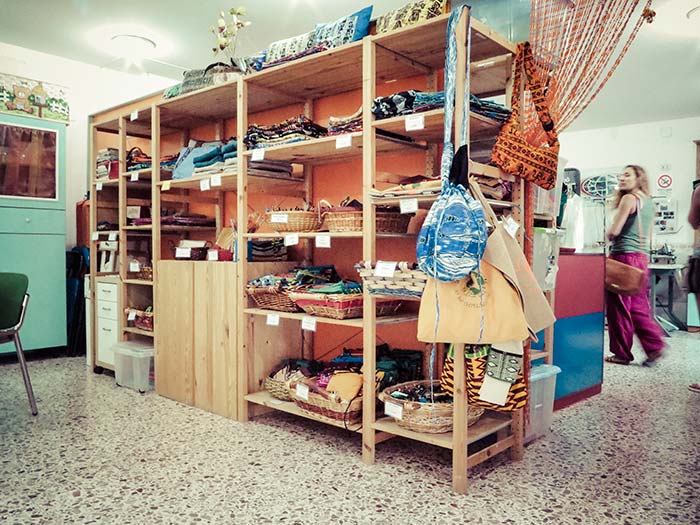
È lei l’anima di Casa Rut. Una donna minuta, ma di una forza straordinaria. Occhi penetranti, orecchie tese all’ascolto, nel cuore il rispetto per chi ha tanto sofferto: «Nessuno deve rimanere schiacciato dal proprio passato». La battaglia delle suore vicentine è cominciata con un fiore. Era l’8 marzo. «Siamo andate sulla strada, per dire alle ragazze che non erano sole». È una paradossale certezza, la strada, per le donne africane. Al loro Paese camminano ore e ore per andare a prendere l’acqua, da noi camminano ai bordi della carreggiata per vendere il loro corpo. In un modo o nell’altro, la strada per loro è sopravvivenza. Ma l’acqua purifica, mentre il marciapiede rende sporche. 15 euro per la prestazione di una ragazza di colore. 15 euro di felicità per un uomo. 15 euro per la perdita di dignità di una donna. E ci chiamiamo Paese civile. «Casa Rut è un nuovo modo di camminare, insieme, verso la liberazione dalle catene della schiavitù della strada – continua suor Rita -. Queste ragazze partono dalla loro terra in cerca di una vita migliore, per sé e per la propria famiglia. Sono la povertà e la sofferenza che portano l’essere umano a osare. È il dolore che spinge la vita, proprio come avviene nelle doglie del parto». Purtroppo, la criminalità internazionale funziona benissimo, sa fare rete tra Paesi di origine, transito e arrivo. E queste donne, in Italia, diventano merce. Casa Rut fino a oggi, ha offerto accoglienza a quasi 300 immigrate. Si comincia con un percorso sanitario, perché è necessario prendersi cura di un “corpo fracassato e dolente”. Poi si passa all’alfabetizzazione. Saper comunicare non serve, quando si deve solo dire il prezzo a un cliente. Ma serve quando si riprende in mano la propria vita. Dall’assistenza all’autonomia: così è nato il laboratorio di sartoria etnica. Denaro che ha il sapore della dignità, denaro conquistato col sudore, mentre sulla strada sapeva di dolore, violenza e sangue. Casa Rut è un approdo, un momento di passaggio, un trampolino verso il futuro. Poi viene il tempo di camminare con le proprie gambe. E le africane, ultime fra le ultime, le gambe ce l’hanno buone, temprate da quel quotidiano andare a prendere l’acqua al pozzo. Assopite per un periodo, ma non in necrosi, piegate, ma ancora capaci di rialzarsi.
Mary, Susan, Faith… bent but not defeated
This time I want to tell the story of Casa Rut. Because when supporting a cause we sometimes risk looking far away, our attention is drawn to Africa, the symbol of poverty par excellence. Many associations are committed to collecting funds, organizing charity evenings, and promoting foreign adoptions… A few euros and out of sight, out of mind. It doesn’t disturb us, it doesn’t really involve us. It’s more difficult to observe the outskirts of our cities, many of which narrate our own Africa. Casa Rut is “an intuition from Vicenza” in the heart of Caserta, that Caserta dominated by the Mafia and shady dealings, with a huge population of illegal immigrants; it is an example of how a “slum area” can recover dignity, how even the most serious wounds can be healed. Since 1995 this house has been home to hundreds of foreign women – Nigerians, Albanians, Moldavians, Moroccans, Senegalese…-, taken off the streets. Women racked with the pain of having left their families, women repeatedly raped during what should have been a journey of hope, beaten women with cigarette burns on their legs and arms and knife-scarred skins, victims of unconceivable brutality, the hellish experience of travelling in old unsafe boats or crossing the desert, their sleep disturbed by the tormented bodies of friends who didn’t make it. Mary, Susan, Iyobosa, Faith, Juliet… «Faces, stories and tears crowd my memories. I have met many women and each one of them is dear to me»: says Sister Rita Giaretta, a nun of the Ursuline Sisters (Orsoline del Sacro Cuore di Maria). She is the force behind Casa Rut: a small woman, but extraordinarily determined. Penetrating eyes, ears always ready to listen, in her heart respect for those who have suffered: “No-one must be crushed by their past”. The battle of the Vicenza nuns started with a flower. It was the 8th of March. «We went into the streets to tell the girls they were not alone». Paradoxically, the streets are a sort of security for African women. In their country they walk for hours to fetch water, here they walk the pavements to sell their bodies. In one way or another a road is their means of survival. But whereas water purifies, the pavement dirties. 15 euro buys the services of a coloured girl. 15 euro buys happiness for a man. 15 euro buys a woman’s dignity. And we call this a civilised country. «Casa Rut is a new way of walking together towards freedom from the chains of slavery in the streets – continues Sister Rita -. These young women leave their countries to seek a better life for themselves and their families. It is poverty and suffering that make humans daring. It is pain that gives impetus to life, just like the pains of giving birth». Unfortunately, international crime works very well; it knows how to create a network in the countries of origin, transit and arrival. And once in Italy these women become goods for sale. Up to now Casa Rut has offered shelter to almost 300 immigrants. It starts by dealing with health issues, because a “shattered, painful body” must be cured. Then comes literacy. You don’t need to know how to communicate when all you have to do is tell your client the price. But it’s a must when you take your life in hand. From assistance to autonomy: this was the reason for creating a workshop to make ethnic clothes. Money that smacks of dignity, money earned by working, instead of the streets that reserve pain, violence and blood. Casa Rut is a port in a storm, a passage, a place from which to launch into the future. Then it’s time to go it alone. And African women, the lowest of the low, have good strong legs reinforced by that daily walk to the well. A little out of practice, but not dead, knees bent, but still able to straighten up.
© 2012 testo e foto Romina Gobbo
Pubblicato su WhiteCircus #5 – ottobre 2012
 Script and Click
Lascia un commento